
Success requires more than just spending hours studying. Efficient study techniques, focus, and productivity help students understand, retain, and apply knowledge effectively. This lesson explores strategies for improving study habits, managing time, and boosting learning outcomes.
Many students struggle not because of a lack of effort, but because they study in ineffective ways. Knowing how to organize your study, use active learning methods, and maintain concentration can make each study hour much more productive.
Improving productivity also means balancing work with rest. Short breaks, proper sleep, and healthy routines help your brain absorb information better and prevent burnout, making learning more consistent and enjoyable.
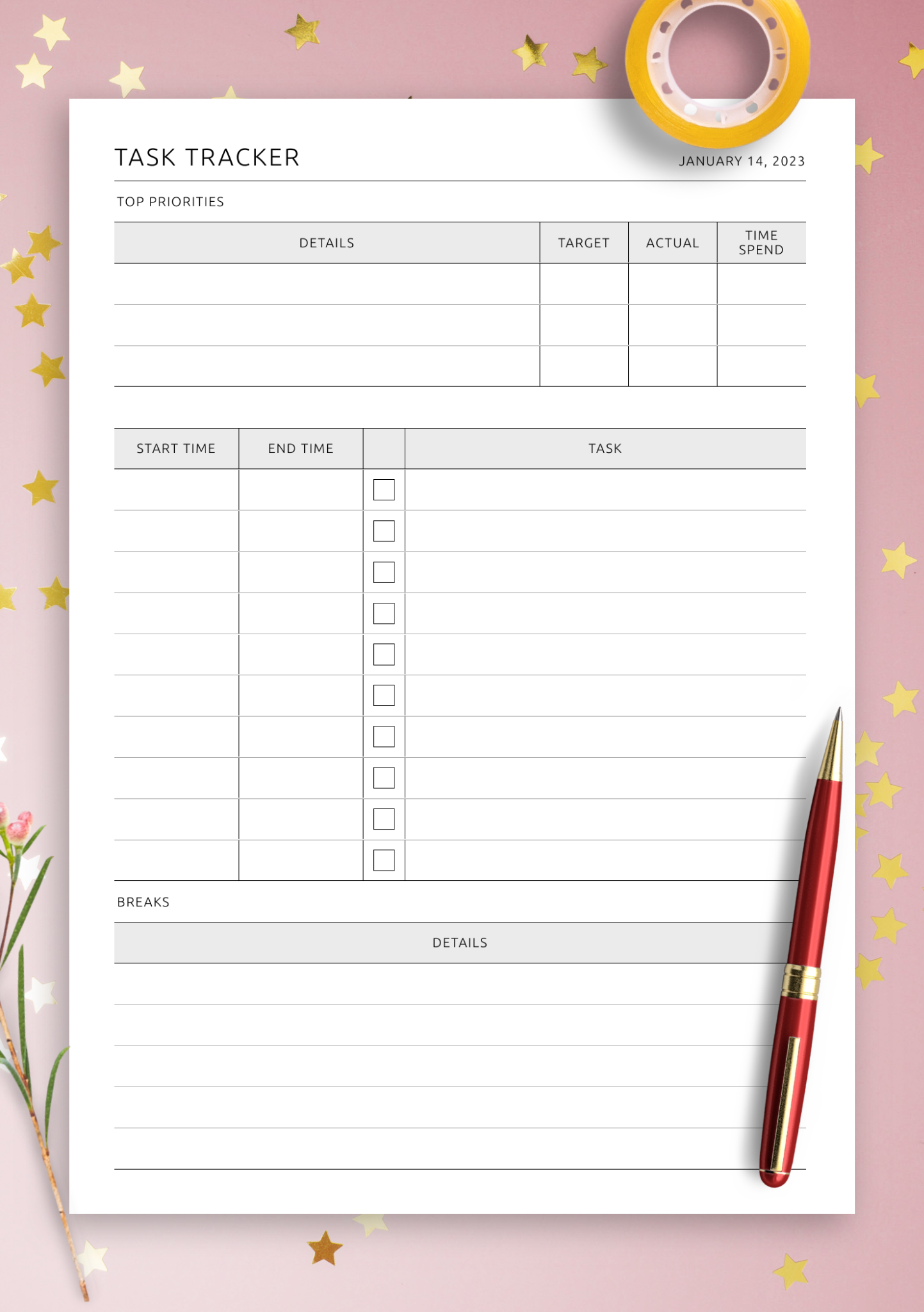
Time management is essential for productivity. Plan your day using calendars, planners, or digital tools. Divide tasks into manageable chunks:
Organizing your time reduces procrastination and creates structured study routines.
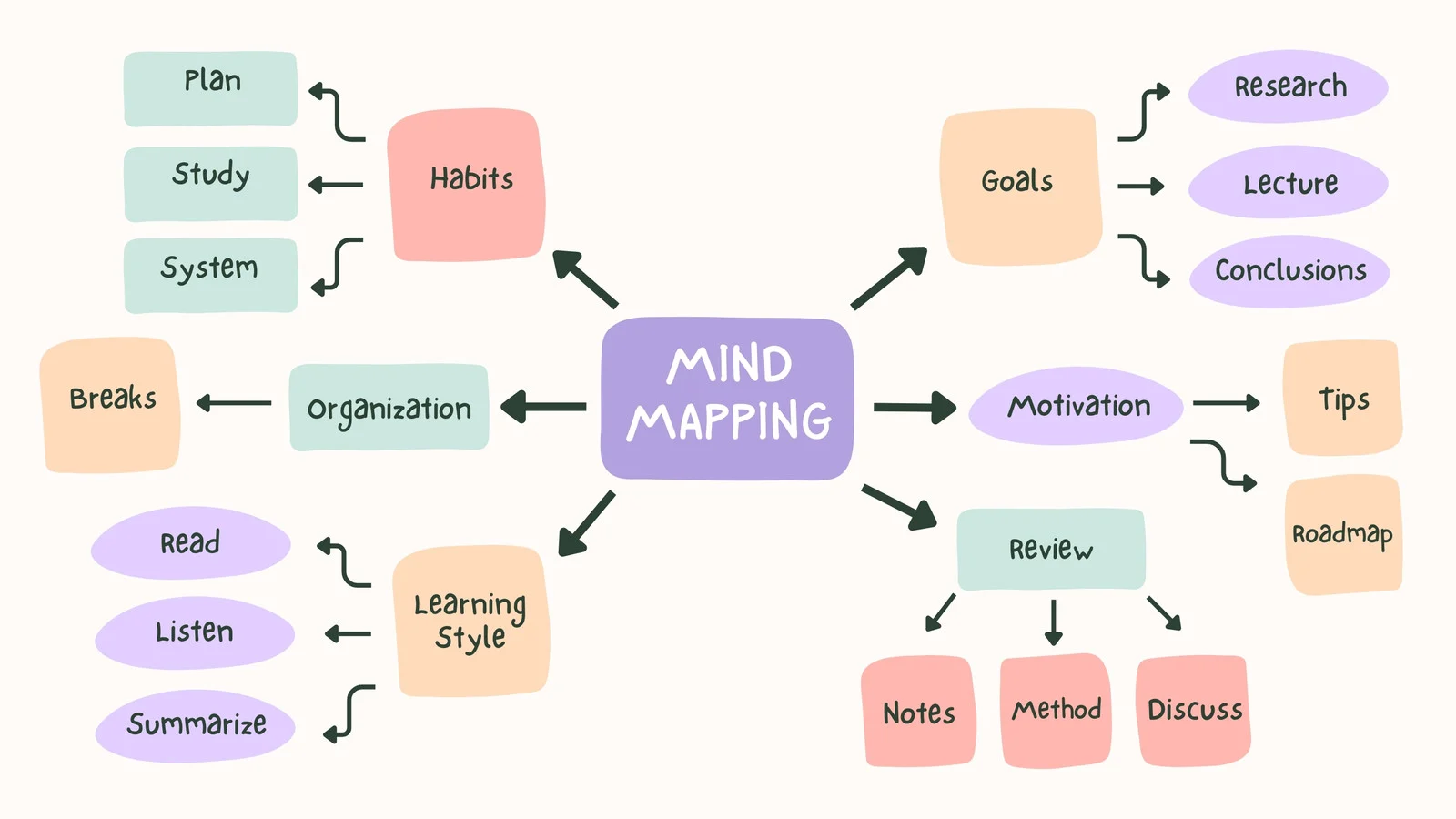
Active learning improves comprehension and memory retention:
Passive reading is less effective, while active engagement strengthens knowledge.
Good note-taking helps with quick and effective revision:
Structured notes make reviewing for exams easier and faster.
Memory techniques aid long-term retention:
Regular review prevents last-minute cramming and enhances confidence.
Reducing distractions improves focus and efficiency:
A distraction-free environment leads to better understanding and retention.
Your brain performs best when your body is healthy:
Combining healthy habits with study techniques improves overall productivity.
Success relies on efficient study strategies, time management, and healthy routines. Active learning, structured notes, memory techniques, and reduced distractions help students achieve better results. Developing a consistent study routine allows students to cover all subjects systematically without stress.
Maintaining well-being through sleep, nutrition, exercise, and regular breaks ensures the brain stays alert and focused. By combining smart study habits with a balanced lifestyle, students can improve retention, boost confidence, and perform at their best in exams.