
Studying a topic once is rarely enough to remember it for a long time. Learning becomes stronger when information is reviewed regularly and in an organized way. Revision techniques help students strengthen their understanding, remember important ideas, and prepare effectively for assessments.
Many learners feel stressed before exams because they try to review everything at the last minute. This approach often leads to confusion and weak memory. Proper revision strategies help students review material gradually, making learning easier and more manageable.
Effective revision is not only about reading notes again and again. It involves actively working with information, testing understanding, and organizing knowledge so that the brain can store and recall it more easily.

Revision helps the brain move information from short-term memory to long-term memory. When students revisit a topic several times, neural connections in the brain become stronger. This makes it easier to recall information later.
Regular revision also helps identify gaps in understanding. When students review their work, they can notice which concepts are unclear and focus more attention on those areas. This prevents misunderstandings from building up over time.
Some key benefits of revision include:
A well-organized plan makes revision more effective. Instead of studying randomly, students should divide their subjects and topics into smaller sections and schedule them across days or weeks.
Short and consistent revision sessions are usually more productive than long sessions done occasionally. Reviewing a topic for 30–40 minutes several times during the week is more effective than revising for several hours in one sitting.
Useful ways to plan revision include:
A balanced schedule helps students stay organized and maintain focus without feeling overwhelmed.

Active recall is one of the most powerful revision methods. It involves trying to remember information without looking at the notes.
For example, after studying a topic, a student may close the book and try to write down the main ideas from memory. This process forces the brain to retrieve information, which strengthens memory pathways.
Common ways to practice active recall include:
Each successful recall strengthens the brain's ability to remember the information later.
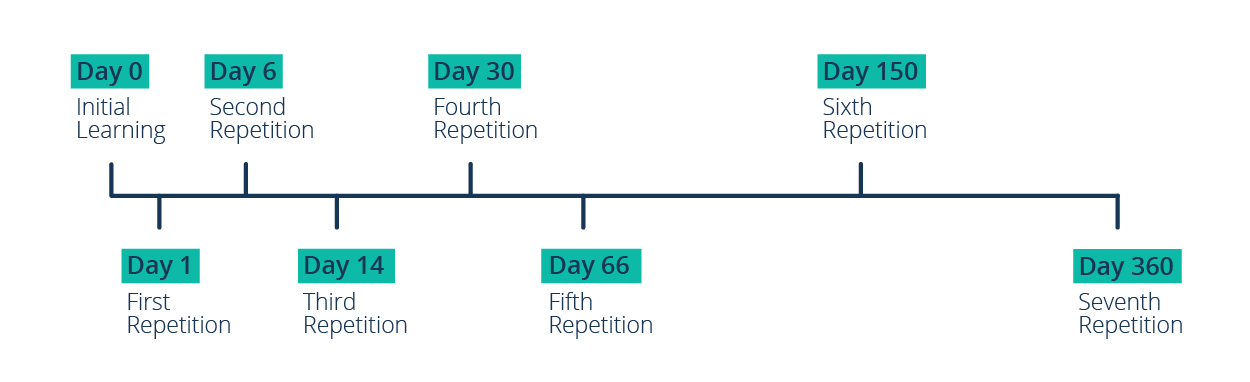
Spaced repetition is a technique where information is reviewed at increasing intervals over time. Instead of revising everything at once, students revisit topics after one day, a few days later, and again after a week or more.
This method works because the brain naturally begins to forget information slowly. When the material is reviewed just before it is forgotten, the memory becomes stronger.
Benefits of spaced repetition include:
Summarization helps students simplify complex ideas. When learners rewrite information in their own words, they process the material more deeply and understand it better.
Mind maps are another helpful revision tool. A mind map visually connects ideas using keywords, branches, and diagrams. This structure helps the brain recognize relationships between concepts.
These techniques help students:
Practicing questions is an important part of revision. Solving problems or writing answers allows students to apply what they have learned rather than simply recognizing it.
Self-testing also reveals which topics require more attention. When students review their mistakes, they gain a clearer understanding of difficult concepts.
Helpful self-testing methods include:
Regular practice improves recall speed and exam confidence.
Effective revision also depends on healthy routines. Adequate sleep helps the brain organize and store memories. Without proper rest, concentration and recall become difficult.
Students should also maintain balanced routines during revision periods.
Important healthy habits include:
These habits support both mental focus and emotional well-being.
Revision is an essential part of successful learning. Techniques such as active recall, spaced repetition, summarization, and self-testing help strengthen memory and improve understanding. When students revise regularly and follow a structured plan, they can retain information more effectively and feel more confident about their progress.
Combining effective revision methods with healthy habits, proper rest, and balanced routines supports both academic success and overall well-being. A thoughtful approach to revision allows students to learn more efficiently while maintaining focus, motivation, and mental balance.