

On this page:
Introduction What Are Acids and Bases? Acid/Base Reactions pH Indicators Strong vs Weak Acids and Bases When We Use Acids and Bases Safety Measures Key Concepts Acids and Bases pH Indicator Colors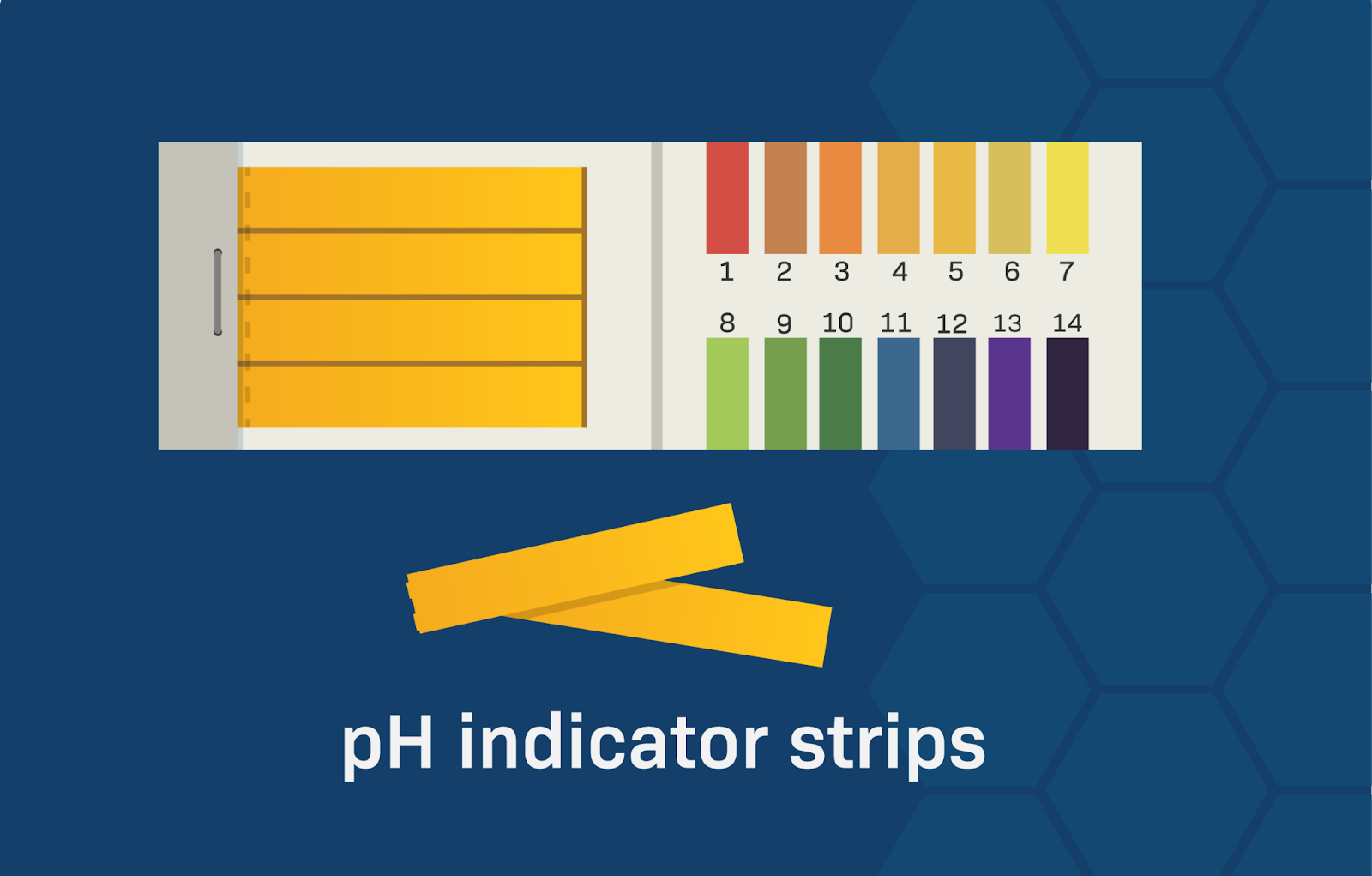
What do you think is the reason for a lemon's sour taste, soap's slippery texture, and the water in swimming pools? All of these questions relate to the science of acids and bases along with how we measure their strengths. Knowledge of acids and bases is important in chemistry because they play a role in cooking, cleaning, medicine, and some industrial activities.
Acids and Bases are two types of chemicals with completely contrasting characteristics.
Examples: Stomach acid (HCl), Lemon juice (citric acid), Vinegar (acetic acid)
Reaction example: 2HCl + Zn → ZnCl₂ + H₂↑
Examples: Soaps (NaOH), Baking soda (NaHCO₃)
When an acid and base react, a neutralization reaction occurs. This is a big deal in science.
Acid + Base → Salt + Water
Example: Hydrochloric acid (HCl) meets sodium hydroxide (NaOH):
HCl + NaOH → NaCl + H₂O
This produces common table salt (NaCl) and water.
What is the significance of neutralization reactions?
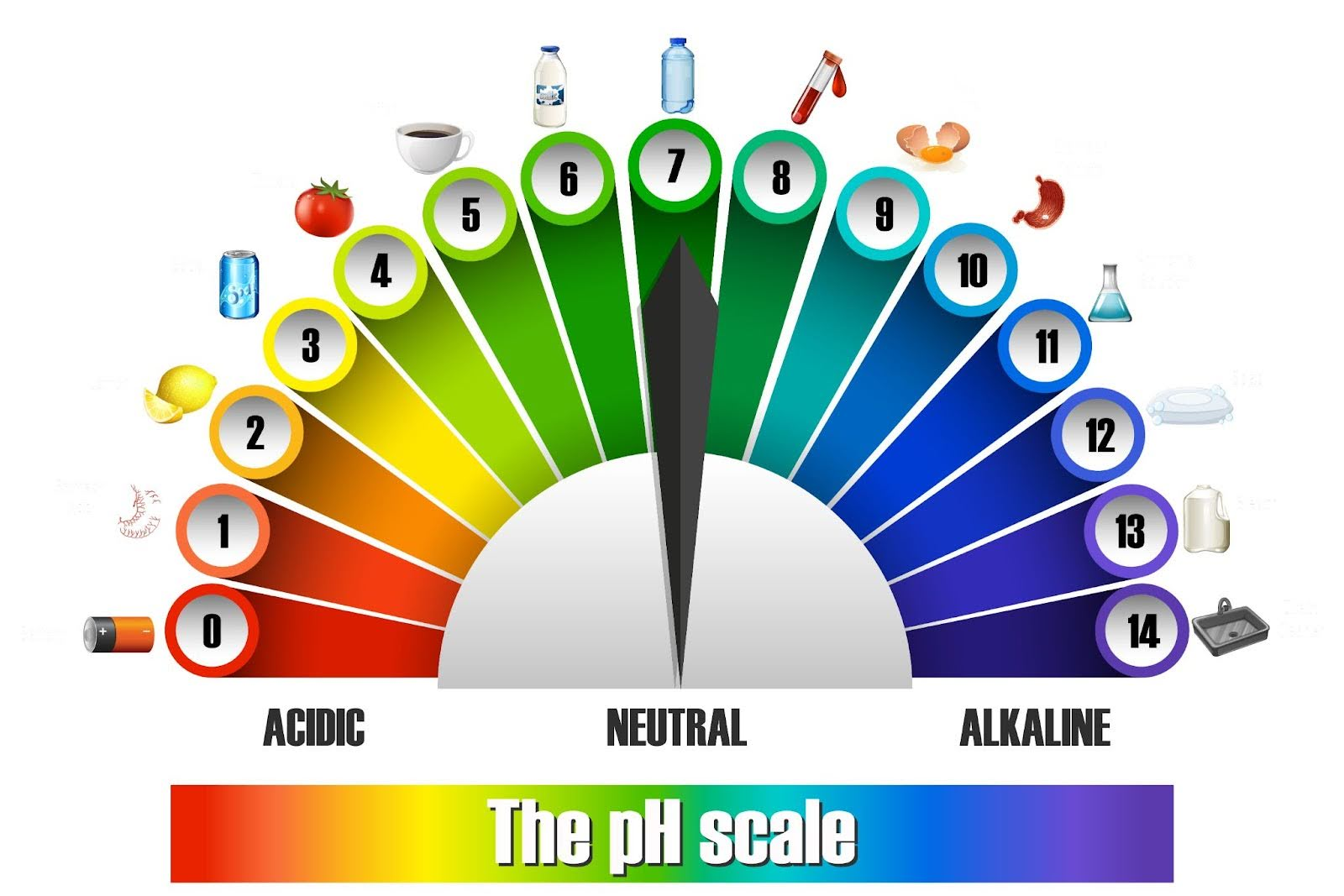
pH (potential of Hydrogen) measures how strong an acid or base is.
pH in Real Life:
What pH tells us:
Why pH Matters:
Indicators are special chemical substances that help us detect whether a solution is acidic or basic. Indicators are pH-dependent because they exhibit different colors at different pH levels.
Using Indicators:
Neutralization: Acid + Base = Salt + Water
pH Scale: 0-6 Acidic | 7 Neutral | 8-14 Basic
Indicators: Litmus, Phenolphthalein, Methyl Orange change color at different pH
Strength: Strong acids/bases completely ionize; weak acids/bases partially ionize
| Substance | Type | Approx. pH | Litmus Color | Phenolphthalein | Methyl Orange |
|---|---|---|---|---|---|
| Lemon juice | Acid | 2 | Red | Colorless | Red |
| Vinegar | Acid | 3 | Red | Colorless | Red |
| Stomach acid (HCl) | Strong Acid | 1–2 | Red | Colorless | Red |
| Water | Neutral | 7 | Purple | Colorless | Orange |
| Milk of magnesia | Weak Base | 9 | Blue | Light Pink | Yellow |
| Soap solution | Base | 12 | Blue | Pink | Yellow |
| Sodium hydroxide (NaOH) | Strong Base | 13–14 | Blue | Pink | Yellow |
Studying acids and bases can be easy, but they are a fundamental part of our ecosystem and the functions of life, as they are found in food, medications, soaps, and even the water we drink.
Knowing how to gauge pH value and apply indicators aids a scientist in using and handling acids and bases in our daily lives in a safe manner.