

On this page:
Introduction What Is Predation? Predator-Prey Population Dynamics The Basic Pattern The Lotka-Volterra Model Canadian Lynx and Snowshoe Hare Predator Adaptations Morphological Adaptations Behavioral Adaptations Prey Adaptations Avoiding Detection Warning and Deterrence Escape Behaviors Coevolution of Predator and Prey The Ecological Role of PredatorsA cheetah accelerates from rest to 100 kilometers per hour in three seconds. The gazelle it is chasing can change direction in an instant, turn on a dime, and sustain a faster speed over longer distances. The cheetah's speed evolved in response to the gazelle's evasiveness. The gazelle's agility evolved in response to the cheetah's speed.
For millions of years, predator and prey have shaped each other through an evolutionary arms race, each adaptation in one driving a counter-adaptation in the other. This co-evolutionary relationship has produced some of the most extraordinary biological adaptations on Earth and drives population dynamics that shape entire ecosystems.
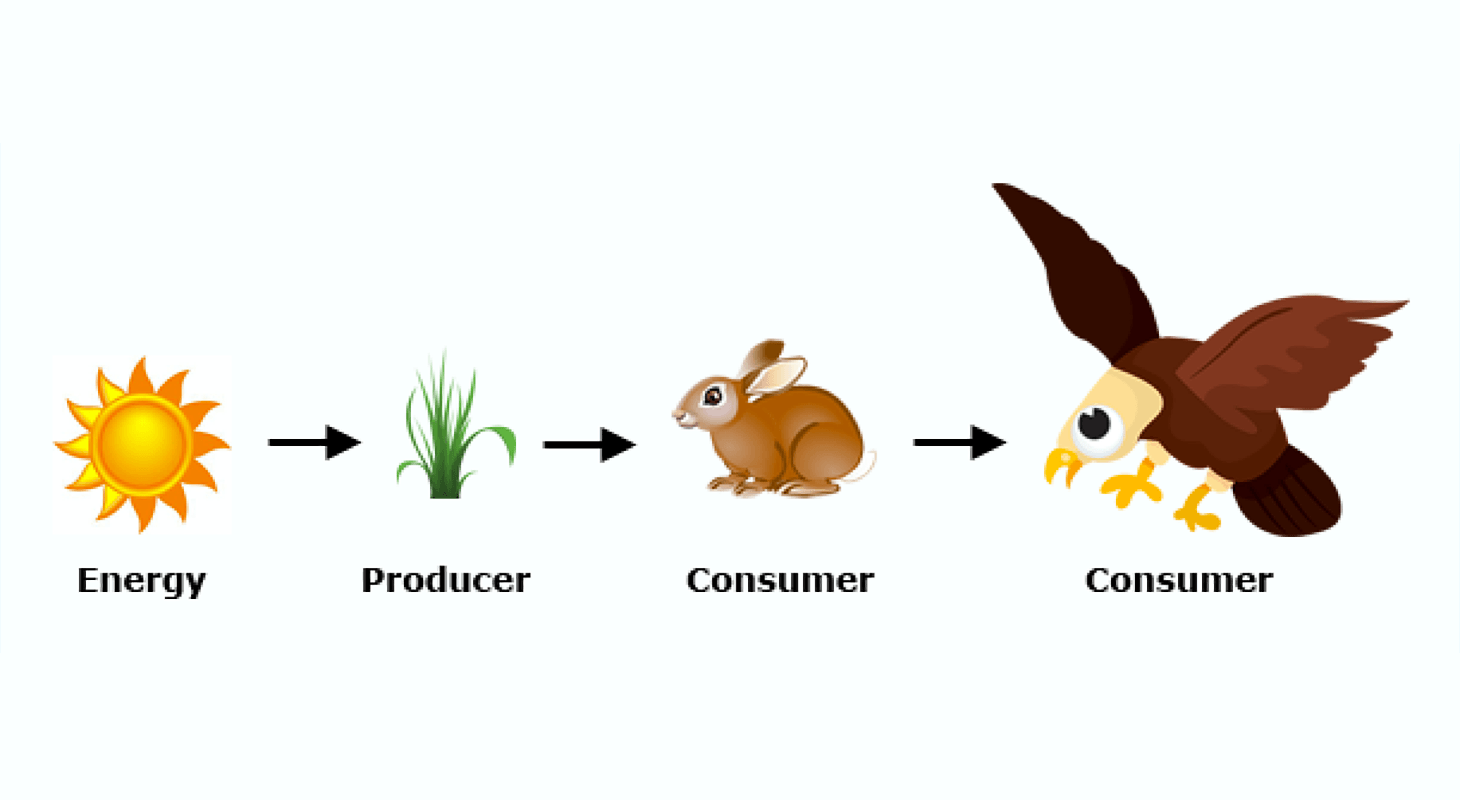
Predation is a biological interaction in which one organism, the predator, kills and consumes another organism, the prey.
Predation differs from parasitism in that predators typically kill their prey immediately or in a short time, whereas parasites usually keep their host alive. It differs from competition in that predation directly benefits one party at the immediate expense of the other.
Predation is a fundamental ecological interaction because it:
Predator and prey populations do not remain constant. They fluctuate in linked cycles.
When prey are abundant:
Predators have plentiful food → Predator survival and reproduction increase → Predator population grows
↓
As the predator population grows:
More prey are consumed → Prey population begins to decline
↓
As the prey population declines:
Food becomes scarce for predators → Predator survival and reproduction decrease → Predator population declines
↓
As predator population declines:
Prey face reduced predation pressure → Prey population begins to recover
↓
As prey recover:
Food becomes available for predators again → The cycle begins again
These cyclical fluctuations were independently described mathematically by Alfred Lotka and Vito Volterra in the 1920s. The Lotka-Volterra equations predict the oscillating population cycles observed in many predator-prey systems.
The key prediction of the model is that predator population peaks always lag behind prey population peaks. The prey population rises first, then the predator population rises in response. The prey population falls next, then the predator population falls.
The most famous documented example of predator-prey cycles comes from records of fur trapping by the Hudson's Bay Company in Canada spanning nearly 200 years.
Snowshoe hare populations cycle with a period of approximately 10 years, reaching peaks of over 1,000 hares per square kilometer and crashing to as few as 2. Lynx populations follow hare populations with a lag of approximately one to two years.
Research has shown that the cycle is driven by multiple factors. Hare populations decline not only due to lynx predation but also due to food depletion and stress-induced hormonal changes at high density. The cycle is a product of interactions between predation, food availability, and population density.
Predators have evolved a wide range of adaptations for locating, catching, and subduing prey.
Sensory adaptations:
Locomotory adaptations:
Weapons:
Prey species have evolved equally impressive adaptations for detecting, escaping, and deterring predators.
Camouflage (cryptic coloration): Body color and pattern matching the background make prey difficult to see. Stick insects, leaf insects, some frogs, and many fish are masters of camouflage.
Disruptive coloration: Bold patterns that break up the outline of the body, making it difficult for predators to identify the prey as a recognizable shape. The stripes of zebras may work this way in a herd.
Countershading: Dark coloring on the dorsal (top) surface and pale coloring on the ventral (bottom) surface counteract the effect of sunlight, making the animal appear flat and less three-dimensional. Common in fish and many mammals.
Aposematism (warning coloration): Bright, conspicuous colors signal to predators that the prey is toxic, venomous, or unpalatable. Poison dart frogs, monarch butterflies, wasps, and ladybirds all use warning coloration. Predators learn to associate bright colors with unpleasant experiences and avoid similarly colored prey.
Mimicry:
Structural defenses:
Predator and prey exert reciprocal selection pressure on each other over evolutionary time. This is called coevolution.
An improvement in predator hunting ability increases selection pressure on prey to improve their escape mechanisms. An improvement in prey escape mechanisms increases selection pressure on predators to improve hunting ability.
This reciprocal evolutionary process, sometimes called an evolutionary arms race, drives the continuous improvement of both predator and prey adaptations over evolutionary time without either gaining a permanent advantage.
The venom of snakes and the resistance of their prey to that venom, the running speed of cheetahs and the agility of gazelles, the echolocation of bats and the hearing sensitivity of moths that can detect bat calls, all represent the products of millions of years of coevolutionary arms races.
Predators play a crucial regulatory role in ecosystems.