

On this page:
Introduction What Is Pollution? Air Pollution Sources of Air Pollution Ecological Effects of Air Pollution Water Pollution Agricultural Runoff and Eutrophication Industrial Effluents Thermal Pollution Plastic Pollution Soil Pollution Noise and Light Pollution Conservation In-Situ Conservation Ex-Situ Conservation Community-Based Conservation Restoration Ecology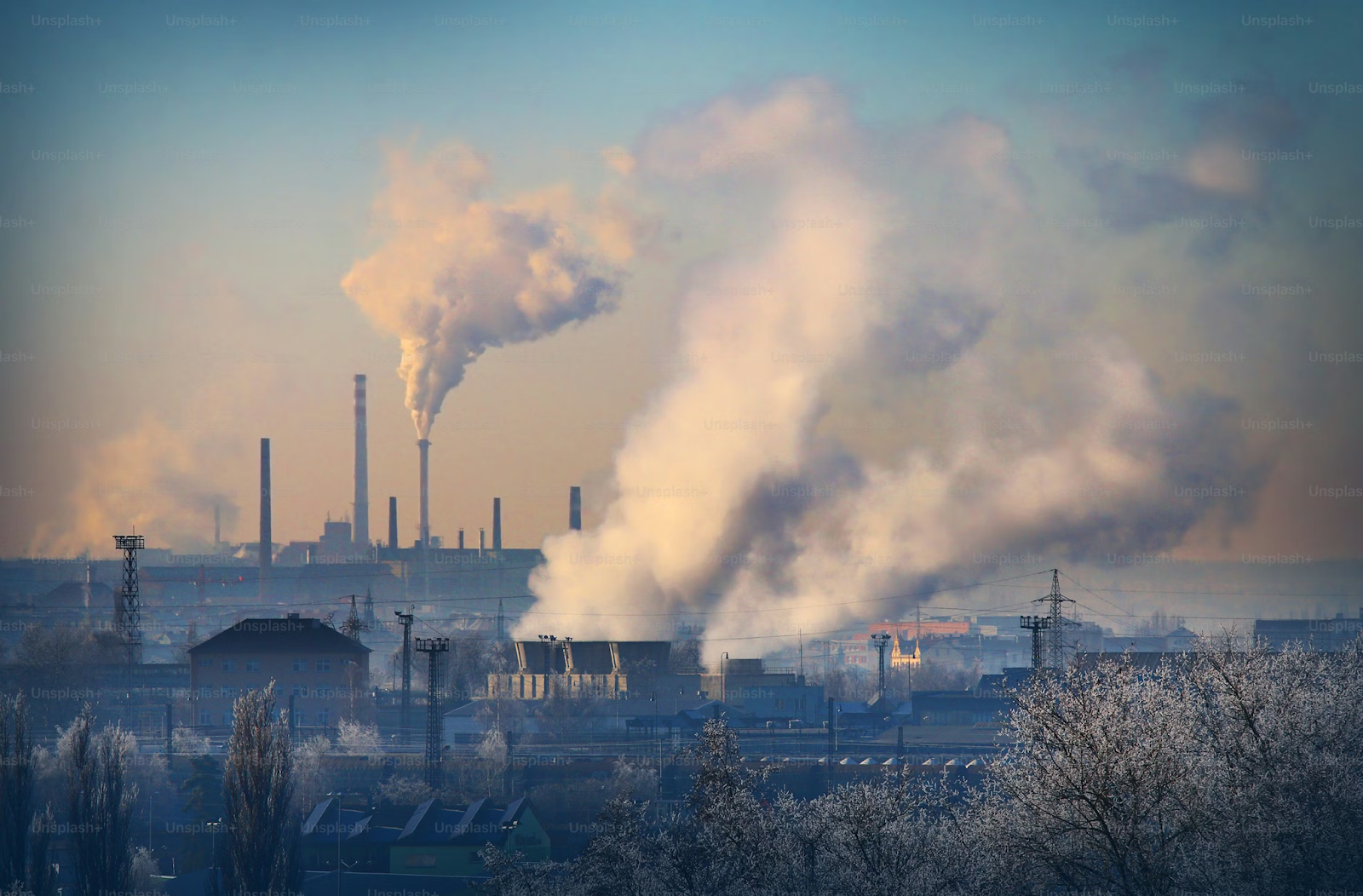
Two opposite forces define humanity's relationship with the natural world. On one side, pollution is the introduction of harmful substances into the environment as a byproduct of human activity. On the other hand, conservation is the deliberate effort to protect and restore natural systems.
Both have accelerated dramatically in the past century. Industrial pollution has reached every corner of the globe, from microplastics in deep ocean sediments to persistent organic pollutants in the body fat of Arctic polar bears. At the same time, conservation biology has grown into a sophisticated science capable of preventing extinctions, restoring degraded ecosystems, and transforming the way societies manage their relationship with the living world.
Understanding both sides of this equation is essential for anyone who will live through the environmental challenges of the 21st century.
Pollution is the introduction of substances or energy into the environment at concentrations that cause harmful effects on organisms, ecosystems, or human health.
Pollution can be:
Air pollution is the presence of harmful substances in the atmosphere at concentrations that cause damage to living organisms, buildings, or the climate.
Combustion of fossil fuels by vehicles, power stations, and industry releases:
Agricultural emissions:
Industrial processes: Volatile organic compounds, heavy metals, and various toxic chemicals
Acid rain: SO₂ and NOₓ react with water vapor in the atmosphere to form sulfuric acid and nitric acid. These fall as acid rain, with pH values sometimes as low as 4.
Effects of acid rain:
Photochemical smog: NOₓ and volatile organic compounds react in sunlight to produce ground-level ozone and other oxidants. This photochemical smog irritates the respiratory systems of animals and damages plant tissues.
Particulate matter: Fine particles penetrate deep into lung tissue, causing respiratory and cardiovascular disease. Associated with millions of premature deaths annually.
Eutrophication from atmospheric nitrogen: Nitrogen oxides and ammonia deposited from the atmosphere enrich soils and water with nitrogen, favoring fast-growing species and reducing biodiversity in habitats adapted to low-nutrient conditions.
Fertilizers containing nitrates and phosphates are washed from agricultural land into rivers, lakes, and coastal waters by rainfall.
Eutrophication process:
Eutrophication has created dead zones at the mouths of many major rivers worldwide. The dead zone in the Gulf of Mexico at the mouth of the Mississippi River covers thousands of square kilometers.
Heavy metals, including mercury, lead, cadmium, and arsenic, enter waterways from mining, smelting, and industrial processes. They are toxic to aquatic organisms and accumulate in food chains through biomagnification.
Persistent organic pollutants (POPs), including PCBs, dioxins, and some pesticides, are resistant to breakdown, accumulate in fatty tissues, and biomagnify through food chains. Apex predators, including orcas, polar bears, and large predatory fish, accumulate concentrations that impair reproduction and immune function.
Industrial facilities and power stations use water as a coolant and return it to waterways at higher temperatures. Warmer water holds less dissolved oxygen and accelerates the metabolic rates of cold-blooded organisms. This disrupts ecological communities and can cause mass fish kills.
Approximately 8 million tonnes of plastic enter the oceans annually. Plastics:
Pesticides applied to crops kill non-target organisms, including beneficial insects, soil invertebrates, and the microorganisms essential for soil fertility. Some pesticides persist in soil for years.
Heavy metal contamination from mining waste, sewage sludge, and atmospheric deposition accumulates in soils and is taken up by plants, entering food chains.
Salinization from poorly managed irrigation deposits salts in soil, reducing fertility and eventually rendering land unsuitable for agriculture. Approximately 20 percent of irrigated agricultural land is affected globally.
Noise pollution from shipping, sonar, and industrial activity in the oceans disrupts communication, navigation, and feeding in whales and dolphins, which rely on sound for all these activities. On land, urban noise masks the acoustic signals of birds, frogs, and insects.
Light pollution from artificial lighting at night:
Conservation biology is the scientific discipline that studies the loss of biodiversity and develops strategies to protect and restore it.
In-situ conservation protects species in their natural habitats.
Protected areas: Protected areas are regions designated for conservation management where human activities are restricted. They currently cover approximately 17 percent of the land and 8 percent of the ocean.
The effectiveness of protected areas depends on:
National parks and nature reserves provide the highest level of protection for core biodiversity areas.
Biosphere reserves have a core protected zone surrounded by buffer zones where sustainable human use is permitted, integrating conservation with human livelihoods.
Marine protected areas (MPAs) restrict fishing and other extractive activities in ocean areas. Well-enforced MPAs show dramatic recovery of fish populations and reef ecosystems.
Wildlife corridors are strips of habitat connecting isolated protected areas, allowing animals to move between them for feeding, breeding, and seasonal migration. The Yellowstone to Yukon (Y2Y) corridor initiative aims to connect protected areas through 3,200 kilometers of North American mountain habitat.
Ex-situ conservation protects species outside their natural habitats.
Captive breeding programs maintain populations of endangered species in zoos and wildlife centers. Successful programs have brought species back from the brink of extinction.
Seed banks store seeds from wild plant species in controlled conditions, preserving genetic diversity against future needs. The Svalbard Global Seed Vault in Norway stores over 1.3 million seed samples from around the world.
Gene banks and cryopreservation stores genetic material from endangered species for potential future use in assisted reproduction or genetic rescue.
Conservation that excludes or ignores local communities often fails because those communities continue using resources the conservation initiative is trying to protect.
Community-based conservation involves local people as active participants and beneficiaries of conservation programs.
Community conservancies in Namibia and Kenya give local communities legal rights over wildlife on their land and a share of tourism revenue. Wildlife populations have recovered dramatically in areas where communities benefit economically from conservation.
Payments for ecosystem services compensate landowners and communities for maintaining natural habitats that provide services such as water filtration, carbon storage, and flood regulation.
Restoration ecology actively repairs degraded ecosystems.