

On this page:
What Are Resources? Global Patterns of Resource Consumption Energy Security Water Security Food Security Mineral and Material Resources Sustainable Resource Management ConclusionEvery morning, before you have finished breakfast, you have already consumed resources from multiple continents.
The energy that powered your phone overnight. The water in your shower. The grain in your bread. The metal in your kettle. None of these appeared from nowhere; each one was extracted, processed, transported, and delivered through a global system that moves billions of tonnes of material every single day.
That system is under pressure. The global population is growing. Consumption per person is rising in developing economies. And the planet's capacity to supply resources, cleanly, reliably, and indefinitely, has limits that humanity is approaching faster than at any point in history.
Global resource consumption and security are not abstract topics. It is about who gets what, who goes without, and what happens to the planet in between.
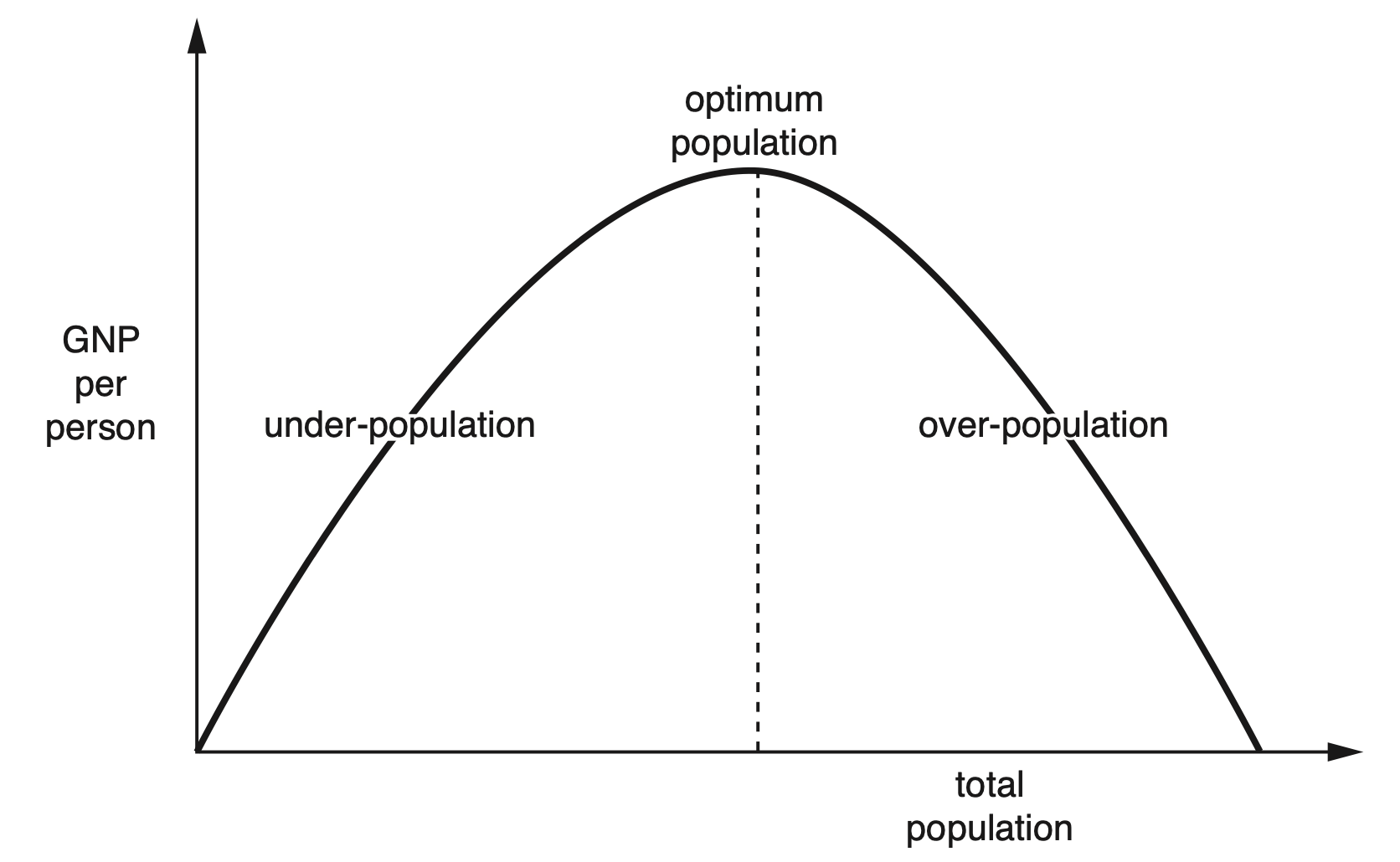
A resource is anything that humans use to meet their needs and wants. Resources can be classified in several ways.
Renewable vs Non-Renewable Resources
Renewable resources can be replenished naturally at a rate that matches or exceeds human use. Solar energy, wind, freshwater (within sustainable limits), and sustainably managed forests are renewable. Renewability is not infinite; if freshwater is extracted faster than it is replenished, or if forests are cleared faster than they regrow, a technically renewable resource becomes functionally depleted.
Non-renewable resources exist in finite quantities and cannot be replenished on human timescales. Fossil fuels (coal, oil, natural gas) formed over millions of years and are being consumed in centuries. Metal ores (iron, copper, lithium, rare earth elements) are similarly finite, though some can be recycled.
Stock vs Flow Resources
Stock resources exist in fixed quantities and are depleted as they are used — fossil fuels being the primary example. Flow resources are continuously generated by natural processes — solar radiation, wind, and tidal energy — and are inexhaustible as long as the natural processes generating them continue.
Resource consumption is profoundly unequal. A small proportion of the world's population consumes a disproportionate share of the world's resources.
The ecological footprint is one of the most useful tools for measuring this. It calculates how much biologically productive land and sea area is required to produce the resources a population consumes and to absorb its waste. It is expressed in global hectares per person.
Key patterns in global resource consumption:
Earth Overshoot Day marks the date each year when humanity has used more from nature than the planet can renew in the entire year. In 1970, Overshoot Day fell in late December, meaning humanity was living within planetary means. By 2023, it had moved to August 2nd, meaning humanity is consuming the equivalent of 1.7 Earths per year.
Factors Driving Consumption Growth
Energy security is the uninterrupted availability of energy sources at an affordable price. It is one of the most strategically important dimensions of resource security for any country.
The world still derives the vast majority of its energy from fossil fuels. As of the early 2020s:
Energy resources are unevenly distributed, making energy security deeply political. The Middle East holds the majority of the world's proven oil reserves. Russia is one of the world's largest producers of both oil and natural gas. OPEC coordinates production among major oil-producing nations to influence global prices. Energy dependence creates vulnerability; the 1973 Arab Oil Embargo caused a global recession and fundamentally changed how governments thought about energy security.
The shift from fossil fuels to renewable energy is the defining energy story of the 21st century. Drivers include climate change mitigation, falling costs (solar and wind are now the cheapest sources of new electricity generation in most of the world), energy security, and technological progress. Challenges include intermittency (solar and wind only generate when conditions allow), infrastructure requirements, resource demands for batteries and renewables (lithium, cobalt, copper), and just transition for fossil fuel-dependent communities.
Water security is the reliable availability of an acceptable quantity and quality of water for health, livelihoods, ecosystems, and production, combined with an acceptable level of water-related risks.
Water is simultaneously abundant globally and desperately scarce in specific places and for specific populations. Approximately 2 billion people currently live in countries experiencing high water stress.
Virtual water is the water embedded in the production of goods and services. One kilogram of beef requires approximately 15,000 liters of water to produce. One kilogram of wheat requires approximately 1,500 liters. Dietary choices have enormous implications for water consumption.
Transboundary Water Conflicts: Many major rivers cross national borders, creating potential for conflict. Key flashpoints include the Nile River (Ethiopia's Grand Ethiopian Renaissance Dam creating tensions with Egypt), the Mekong River (Chinese dams affecting downstream countries), and the Indus River (India-Pakistan tensions).
Food security exists when all people, at all times, have physical and economic access to sufficient, safe, and nutritious food. It has four dimensions: availability, access, utilization, and stability.
Approximately one-third of all food produced globally is lost or wasted — around 1.3 billion tonnes per year. In low-income countries, most food loss occurs during production, storage, and distribution. In high-income countries, most food waste occurs at the retail and consumer level.
The global economy depends on a vast range of mineral resources for construction, manufacturing, electronics, and the technologies of the clean energy transition itself.
Lithium: Essential for electric vehicle batteries. Majority of production concentrated in the Lithium Triangle of Chile, Argentina, and Bolivia.
Cobalt: Used in battery cathodes. Approximately 70% of global cobalt production comes from the Democratic Republic of Congo, raising concerns about governance and child labor.
Rare earth elements: Essential for wind turbines, electric motors, and electronics. China controls approximately 60% of global production.
Copper: Essential for electrical wiring in renewable energy infrastructure and electric vehicles.
The Resource Curse: The observation that countries rich in natural resources often experience slower economic growth, weaker governance, and more conflict than resource-poor countries. Explanations include reduced incentives to develop diverse economies, reduced government accountability, and attraction of conflict. The Democratic Republic of Congo is a frequently cited example.
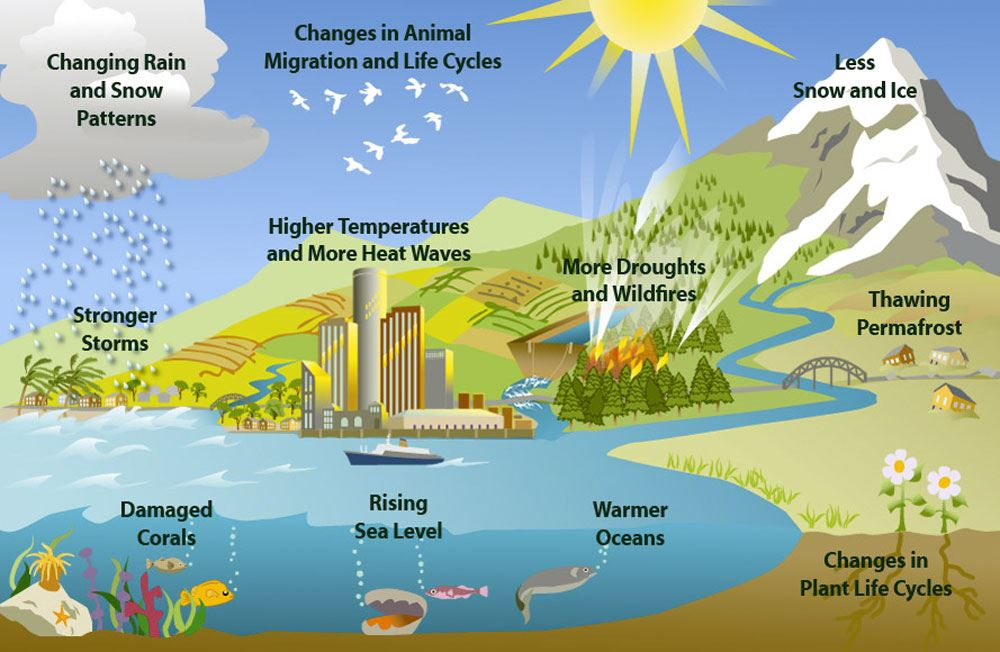
The central challenge of this unit is how to meet human needs for energy, water, food, and materials while staying within planetary limits.
An alternative to the traditional linear economy of "take, make, dispose." Materials are kept in use for as long as possible through reuse, repair, remanufacturing, and recycling, minimizing waste and reducing demand for virgin resources.
Relevant goals include SDG 6 (Clean Water and Sanitation), SDG 7 (Affordable and Clean Energy), SDG 12 (Responsible Consumption and Production), SDG 14 (Life Below Water), and SDG 15 (Life on Land).
Technology and Innovation: Precision agriculture, desalination, green hydrogen, and advanced recycling technologies all offer significant potential for more efficient resource use.
International Governance: Key frameworks include the Paris Agreement on climate change, the Convention on Biological Diversity, UNCLOS (governing ocean resources), and various commodity agreements and trade frameworks.
Resources are not just commodities to be extracted and consumed. They are the physical foundation of human civilization, and their availability, distribution, and management will determine what kind of world the next generation inherits.
The patterns of resource consumption that characterize the current global economy are not sustainable. The ecological footprint of humanity already exceeds the planet's regenerative capacity. The question is not whether change is necessary; it is whether change happens through deliberate, equitable planning or through crisis and conflict.
This unit connects the physical world of rocks, water, and sunlight with the human world of trade, politics, inequality, and technology. Resources are where nature and society meet, and understanding that meeting point is essential for understanding the geography of the world we actually live in.